They’re not entirely wrong …
9 June 2026 Leave a comment
Those are possibly the four most important words to keep in mind when you find yourself in an argument.

Science versus MAHA
While listening to a recent Why Should I Trust You podcast I was struck by an astonishing comment from Sheryl Gay Stolberg, the lead reporter for the New York Times covering science and healthcare. (She also has a long and distinguished career covering politics.) In the podcast, she was discussing Secretary of Health and Human Services RFK Jr. and the “Make America Healthy Again” movement.
“Kennedy would say, ‘well, all these public health officials say vaccines are safe and effective. And we know that’s not true’.
“And, you know, he kind of has a point about that. I mean, some people are injured by vaccines, just like any drug. You know, they carry side effects.
“So to make a sweeping statement that all vaccines are safe and effective is also, I would say, imprecise. And what I have tried to do in my coverage is to bring some precision to these debates in a way that is understandable for people.”
This observation was astonishing because it was unexpected. But on reflection, what was truly astonishing was that on first hearing it felt in the slightest bit inflammatory or unreasonable.
I recognize that merely by quoting this, I place myself at risk of instant dismissal for treasonous disloyalty to my own personal (and I believe) informed confidence in the general safety and efficacy of vaccines.
But my point isn’t about vaccines at all. I could imagine conversations like this around any issue of disagreement on any topic of importance in which the participants are deeply and, most significant, emotionally invested. Questions of politics (immigration policy, vaccine policy, whatever) or even questions about who is or is not allowed membership in your organization.
Precision and context – not generalities and absolutes
It is about the inherently unproductive nature of what passes for public discourse on any and every policy issue that people care deeply about. The same thing that sometimes passes for debate in association boardrooms when important issues around mission, values, or legacy are at stake.
The villain here isn’t that disagreement exists. It is that the ensuing argument is too often based on generalities and absolutes when, as Stolberg pointed out, what is called for is precision and context. Too often, combatants are triggered by a litmus test that instantly governs every word that comes out in response: “Are you for me or against me?” This framing demands a take-no-prisoners approach aimed at beating your opponent to death … and usually devolves into little more than slinging slogans at each other and attaching a disparaging label to them. It amounts to a reflexive rejection of any validity to any of their concerns that ends discussion before any discussion has even occurred. There is nothing left but the shouting.
To be sure, there are extremists on the fringes of many arguments who probably can’t be reached. But having a serious and honest conversation about an issue in controversy starts with acknowledging the possibility that there just might be a legitimate kernel of truth in what your opponent has to say and looking for it, rather than instinctively going into attack mode.
Returning for a moment to the vaccine divide: if we can acknowledge and agree there is some element of risk we open the possibility of dialogue on the something we can agree on: that risks, even if extremely limited, deserve to be addressed and minimized. Because harm, even if limited to a small number of individuals, is no small thing to the people harmed. If we stubbornly refuse to acknowledge any risk at all, we abandon intellectual honesty and lose credibility. And most tragically, end the possibility of positive progress.
“We’ve forgotten how to argue”
G. K. Chesterton is a writer I greatly admire. He was a fierce and uncompromising defender of his (sometimes unpopular) beliefs but was genuinely loved and admired by even his bitterest opponents in thought. I don’t always agree with him, but I am always enlightened.
He liked to distinguish between a quarrel and an argument. He despised the former and relished in the latter.
And here’s the distinction he drew. A quarrel is a fight. It’s object is to win. The object of an argument is greater understanding. Getting to the truth. The whole truth. And in Chesterton’s view, the principal objection to a quarrel is that it interrupted the opportunity for a possibly important and productive argument. The problem isn’t that there is disagreement; it is that people have forgotten how to argue.
In practice a good argument calls for something very difficult: intellectual humility, even in the face of hostile and unreasonable opposition.
It starts by framing the area of disagreement with precision: understanding the possibly valid and unaddressed concern that your correspondent brings to the table. And it requires showing real empathy for the opponent and their need. Skip this step, and you lose the possibility of seeking areas of agreement.
Constructive arguments, not quarrels
Chesterton was extremely close to his brother. In his Autobiography he wrote:
Cecil Edward Chesterton, was born when I was about five years old; and, after a brief pause, began to argue. He continued to argue to the end. I am glad to think that through all those years we never stopped arguing; and we never once quarreled.
So the next time the temperature rises in a conversation, take a beat. Imagine the speaker is someone you care deeply for. And listen with precision for their pain point rather than defaulting into sweeping generalizations that ignore their concerns. The more consequential the issue, the harder it is to maintain that mental state.
And the more critical it is to do so.
Disclaimer
The ideas contained here are my own. I do not speak for any organization or company.
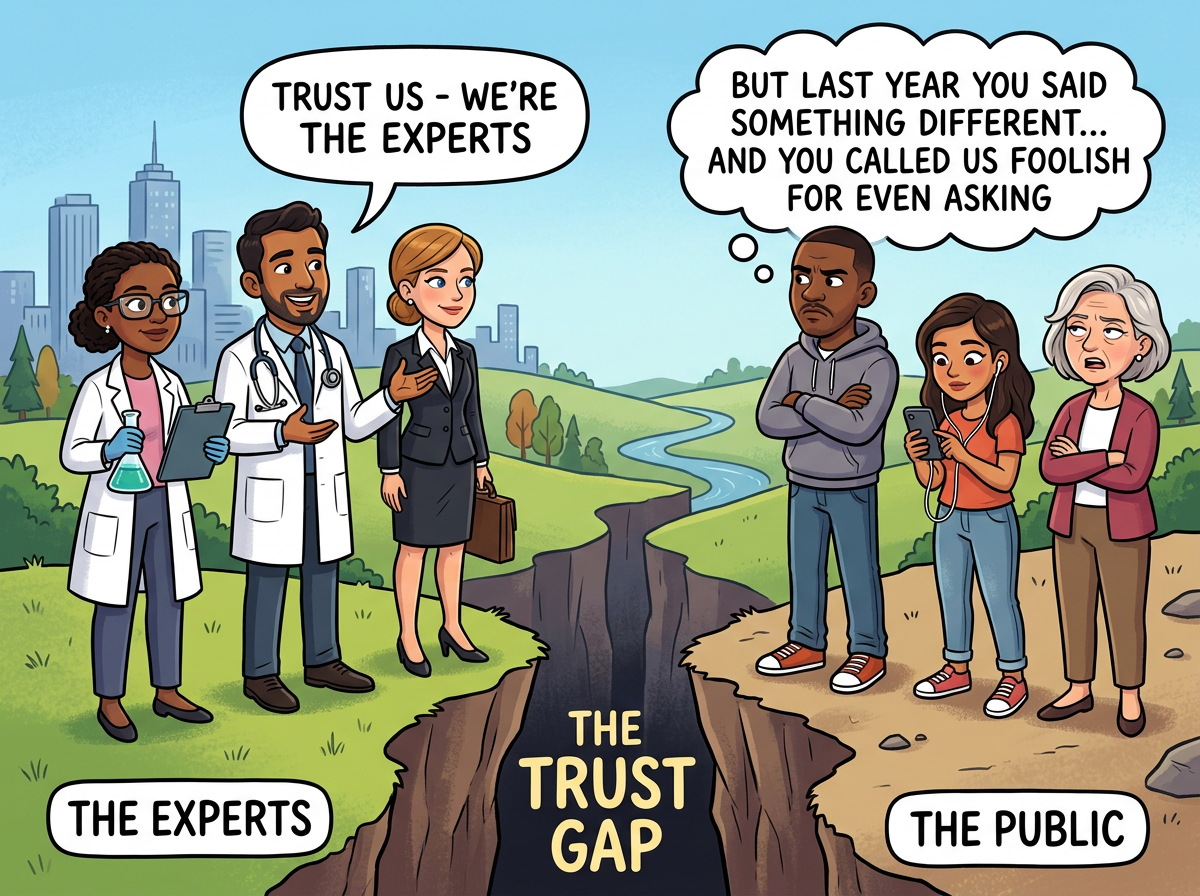
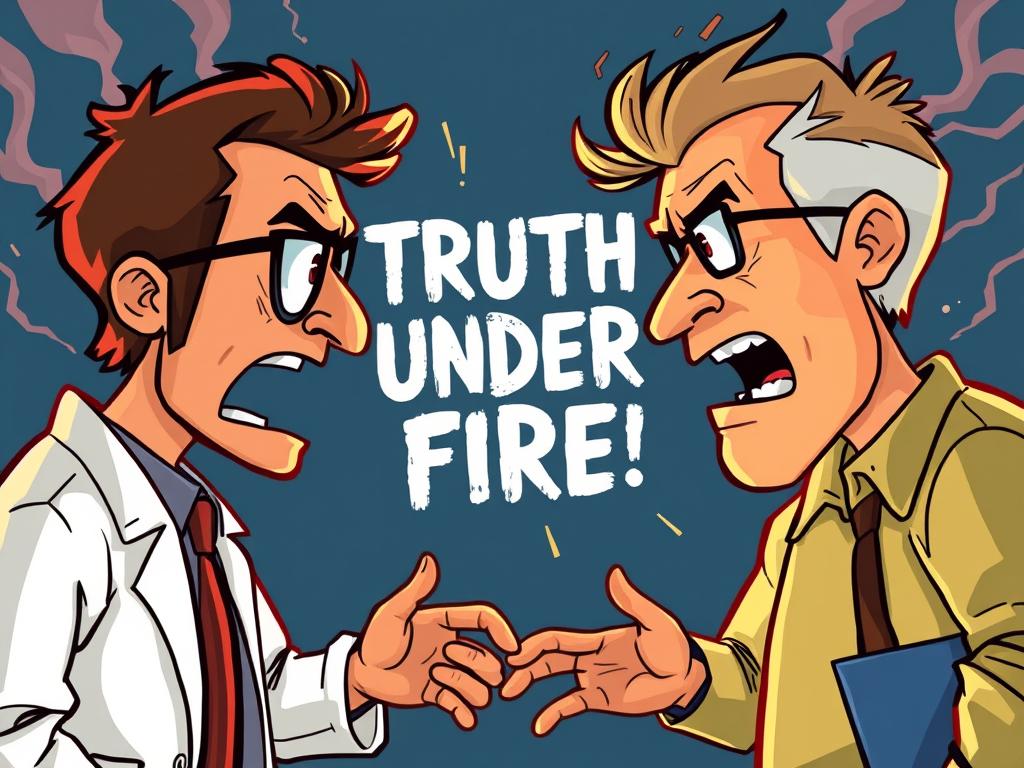
AI was used to generate the image accompanying this post. I do NOT use AI to generate or edit drafts.
 Associations (the good ones, at least) have always served society by providing a trusted and reliable source of information. That would seem to be the key role we have to play in our current environment of decentralized information, public distrust, and AI/social media-driven echo chambers that value divisiveness and conflict over reasoned dialogue.